
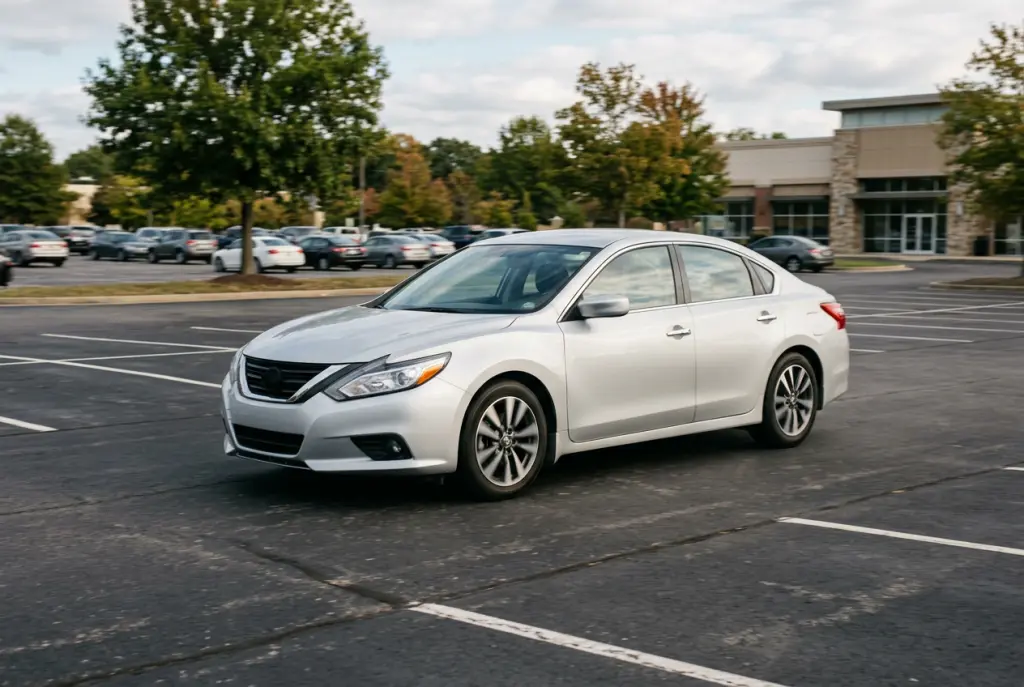
A shuddering, hesitating, or whining CVT on a Nissan Altima, Rogue, Sentra, Versa, Pathfinder, or Murano is commonly diagnosed as an internal Jatco CVT problem related to overheating, valve body wear, or belt deterioration. These symptoms have been commonly reported on roughly 2013-2018 models. The three most likely causes are insufficient CVT cooling, internal belt or pulley wear, and valve body failure. Left alone, any of these can progress to full transmission failure.
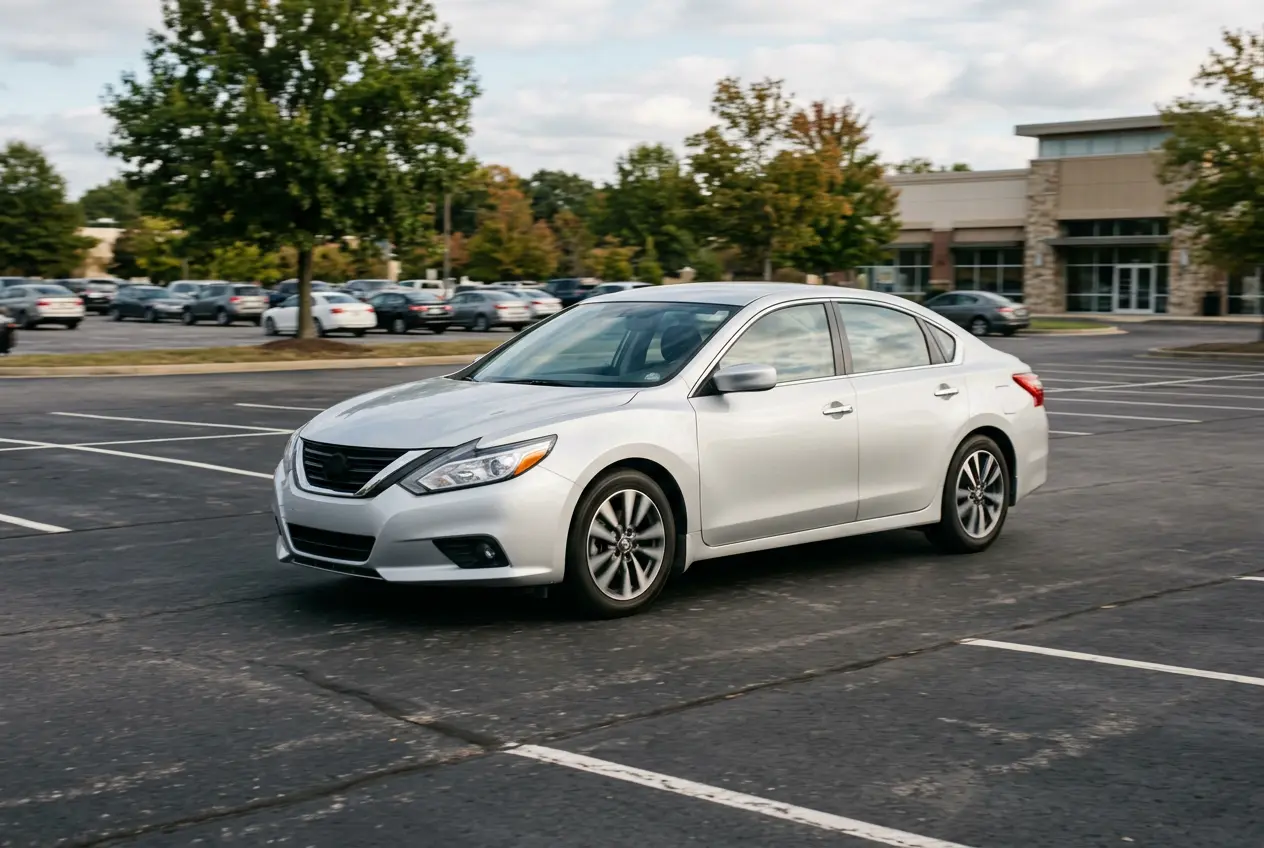
Which Nissan models are affected?
CVT shuddering and slipping problems have been commonly reported on roughly 2013-2018 examples of these US-market Nissan models:
- Nissan Altima (2.5L and 3.5L)
- Nissan Sentra
- Nissan Versa and Versa Note
- Nissan Rogue
- Nissan Pathfinder
- Nissan Murano
All of these use a Jatco-built continuously variable transmission. If your model year falls in that window and you are feeling any of the symptoms below, keep reading.
What does a failing Nissan CVT feel like?
The symptoms tend to follow a pattern from early warning signs to outright failure. Here is what to watch for at each stage:
| Stage | Symptom | Likely Cause | Urgency |
|---|---|---|---|
| Early | Subtle shudder at 25-45 mph, slight hesitation on acceleration | CVT fluid degradation, early belt slip | Schedule soon |
| Mid | Whining or humming noise, RPM flare without matching speed increase | Pulley or valve body wear, overheating | Schedule this week |
| Late | Limp mode (reduced power, warning light), jerking, loss of drive | Severe internal damage, thermal shutdown | Do not drive; tow it |
What is commonly diagnosed as the root cause?
The Jatco CVT used in these Nissan models is commonly diagnosed as prone to overheating under normal driving loads. When the fluid breaks down from heat, the steel push belt and the pulleys that control the ratio begin to wear faster than they should. The valve body, which controls hydraulic pressure inside the unit, can also develop faults that cause the shuddering and hesitation owners describe. Adding an external CVT cooler is a standard part of the repair because the factory cooling capacity is commonly cited as insufficient for sustained stop-and-go driving.
Is it safe to keep driving with a shuddering CVT?
At the early stage, the vehicle may still be drivable, but the window is short. CVT damage is cumulative: every mile driven while the unit is overheating or slipping accelerates internal wear. Once the transmission enters limp mode, the vehicle is telling you it has already protected itself from further damage by limiting power. Driving through limp mode risks permanent failure. If the shudder is constant, the warning light is on, or the car hesitates badly from a stop, have it towed rather than driven.
What does CVT repair or replacement cost?
Cost varies significantly based on a few factors, and no honest shop will give you a single number without seeing the vehicle. Here is what moves the price:
- Fluid service only: If caught early, a drain-and-fill with fresh OEM-spec fluid and an external cooler installation is the lowest-cost intervention.
- Valve body repair: Mid-range cost; requires removal and disassembly of the unit.
- Full CVT replacement: The highest cost option, but often the only reliable fix once internal wear is significant. Fenkell uses Jasper remanufactured transmissions, which carry their own warranty.
- Aftermarket warranty coverage: If your vehicle is covered by an aftermarket warranty, Fenkell handles all the paperwork and calls in-house so you do not have to make a single phone call.
A written estimate is provided before any work starts. No surprises.

Why are CVT problems worth watching in Michigan?
The freeze-thaw cycling Michigan roads go through every late winter and early spring is hard on every drivetrain component, but CVTs are particularly sensitive to temperature swings. Cold fluid is thick and slow to circulate; a CVT that starts cold and immediately gets pushed hard on that stretch of I-75 near the M-59 split is working against itself from the first mile. Road salt and brine residue also accelerate corrosion on cooler lines and fittings, which can reduce cooling efficiency over time. If your Nissan has been through several Michigan winters, a CVT inspection is a reasonable precaution even before symptoms appear.
How does Fenkell confirm the CVT problem?
Diagnosis starts with a full scan for stored and pending fault codes, followed by a road test to replicate the shudder or slip under load. The CVT fluid is inspected for color, smell, and metal contamination. If the fluid is dark or carries metallic particles, internal wear is already present. From there, the estimate covers the specific repair path: fluid service, cooler installation, valve body work, or full replacement with a Jasper remanufactured unit.
Brian Taranto, owner of Fenkell Automotive, and the Fenkell team back every repair with a 24-month/24,000-mile nationwide warranty. If you have an aftermarket warranty on your vehicle, bring the paperwork and Fenkell handles the claim from start to finish.
Related reading: Transmission slipping in Auburn Hills: early warning signs most drivers ignore and Fenkell Automotive transmission repair services. Also see our pages for drivers coming in from Waterford and Bloomfield Hills, or visit our Auburn Hills auto repair page.
Frequently Asked Questions
Can I keep driving my Nissan if the CVT is shuddering?
Short trips at low speed may be possible in the early stage, but continued driving risks overheating the CVT and turning a repair into a full replacement. If the transmission enters limp mode or the shudder is constant, stop driving and have it towed.
Is there a recall on the Nissan CVT?
No confirmed recall is on file for this issue. Check your VIN using the NHTSA recalls lookup tool to see if any open recalls apply to your specific vehicle.
How much does a Nissan CVT repair or replacement cost?
Cost depends on whether the unit can be serviced or needs full replacement, the model year, and parts availability. A fluid service and cooler install runs far less than a remanufactured CVT swap. Fenkell provides a firm written estimate before any work starts.
Does Fenkell Automotive work on Nissan CVT transmissions?
Yes. Fenkell handles CVT fluid services, cooler installations, and full CVT replacements using Jasper remanufactured units. We handle all the paperwork for your aftermarket warranty so you do not have to make a single call.
What models are affected by this CVT problem?
CVT problems have been commonly reported on roughly 2013-2018 Nissan Altima, Sentra, Versa, Rogue, Pathfinder, and Murano vehicles equipped with the Jatco CVT.
Ready to get your Nissan CVT diagnosed? Bring it to Fenkell Automotive at 2670 Auburn Court, Suite #1, Auburn Hills, MI. Open Monday through Friday, 8:00 am to 5:00 pm. Use the 24-hour drop box if you cannot make it during business hours and the team will shuttle you where you need to go.
Brian Taranto, owner of Fenkell Automotive, and the Fenkell team back every repair with a 24-month/24,000-mile nationwide warranty.